



Your world has got a little hazier.
Maybe it's the glare from oncoming headlights. Colours that don't seem as vivid as they used to. Words on a page that are harder to read than they should be.
Cataracts affect people differently - but the impact on everyday life is real. At the Ulster Independent Clinic, we'll assess your eyes, talk you through your options and help you decide what's right for you.
Book your initial consultation

Consultant-led
assessment and treatment

EyeStar 900
advanced eye measurements

Lens options
tailored to your clinical needs and lifestyle

Support
from consultation through to recovery
Recognising Cataracts
Is this what you've been experiencing?
Cataracts develop gradually, which means it can be easy to adjust to changes in your vision without realising how much your sight has altered. Common signs include:
- Blurred, cloudy or misty vision
- Colours appearing dull or washed out
- Glare from sunlight, headlights or indoor lighting
- Halos around lights, particularly at night
- Difficulty reading, watching television or recognising faces
- Needing brighter lighting to see clearly
- More frequent changes to your glasses prescription
- Losing confidence when driving, walking outside or completing everyday tasks
- Becoming more dependent on family and friends
If any of these sound familiar, an assessment is the right next step - even if you're not sure whether surgery is necessary.
Understanding Cataract Surgery
What does cataract surgery involve?
A cataract develops when the natural lens inside your eye becomes cloudy. This lens sits behind the pupil and is responsible for focusing light onto the retina. As it clouds over time, vision becomes blurred or distorted - and glasses or contact lenses can no longer correct it.
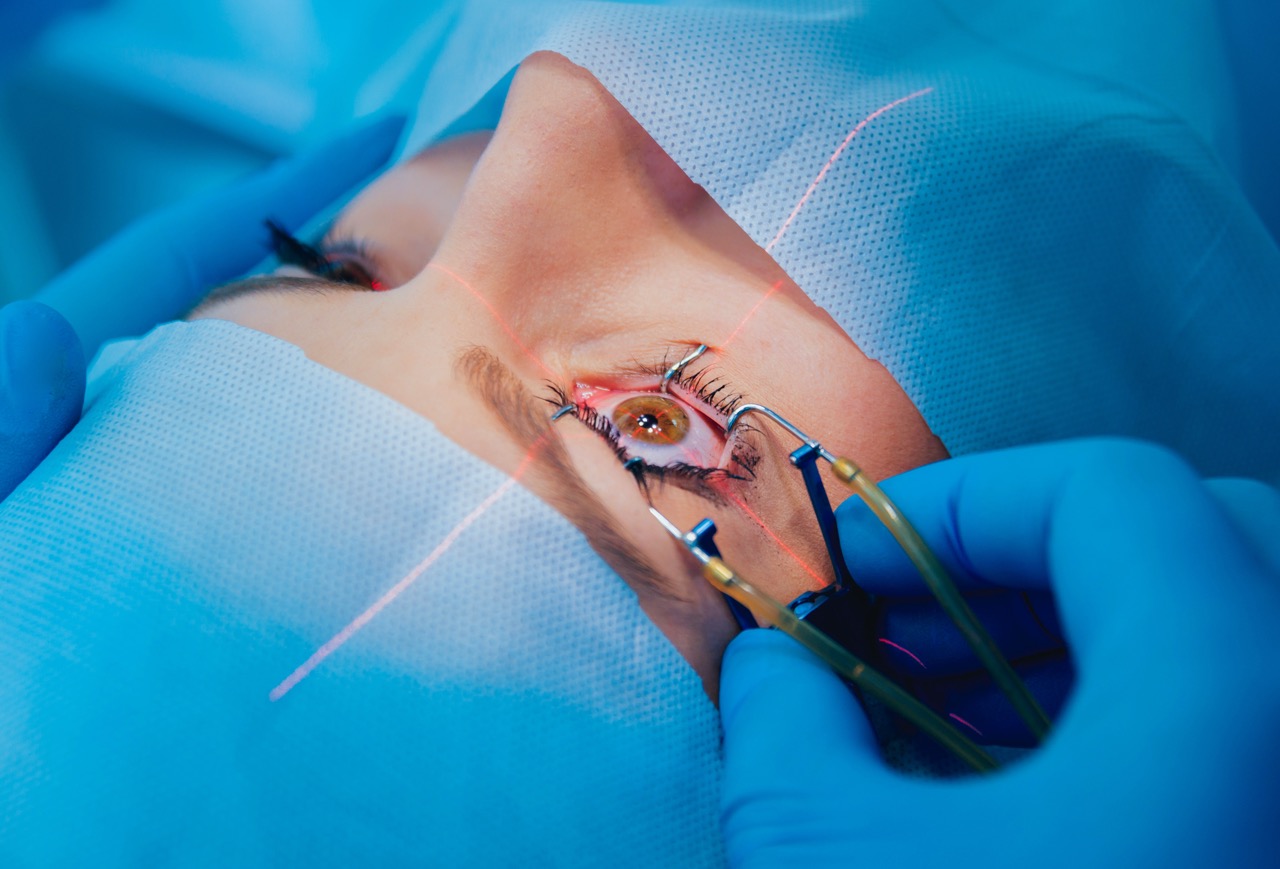
Cataract surgery removes the cloudy lens and replaces it with a clear artificial lens, known as an intraocular lens (IOL). It is one of the most commonly performed surgical procedures in the world, with a well-established safety record.
The procedure is normally carried out under local anaesthetic, takes around 20 to 45 minutes per eye and is performed as a day case - meaning you can return home the same day.
Choosing the right lens for you
There are several types of intraocular lens available, and the most appropriate option will depend on your eye health, your prescription and how you want to use your vision day to day.
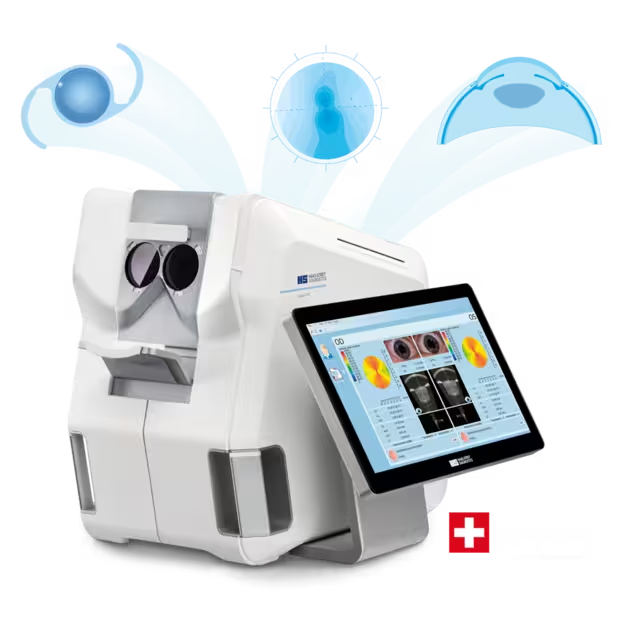
Before recommending a lens, your consultant needs accurate, detailed measurements of your eye. At the Ulster Independent Clinic, we use the EyeStar 900 scanner to gather that information - capturing a comprehensive picture of your eye from the cornea to the retina, so your consultant can make a recommendation that is genuinely personalised to you.
Your consultant will explain which options are clinically suitable and what each can realistically achieve. No lens can guarantee complete freedom from glasses, and your consultant will be honest about what to expect.
Frequently asked questions
Considering private cataract care?
Waiting can be difficult when changes to your sight are affecting everyday life. Northern Ireland consistently reports some of the longest NHS cataract waiting times in the UK - often between 26 and 52 weeks or more from referral to procedure.
My Waiting Times NI publishes up-to-date average waiting times for each Health and Social Care Trust. If your current wait is affecting your quality of life, private care offers another route to consider.
At the Ulster Independent Clinic, a private consultation gives you time with an experienced consultant, a thorough assessment of your eyes and, where surgery is appropriate, a clear treatment plan with realistic timescales explained.

Investing in your health: Eyestar 900
Detailed measurements.
More personalised planning.
Before cataract surgery, extremely accurate measurements of your eye are needed - to select the most appropriate replacement lens and to plan your procedure around your individual vision.
The Ulster Independent Clinic recently invested in the EyeStar 900 by Haag-Streit, an advanced, non-contact scanner that builds a detailed picture of your eye - from the surface of the cornea at the front to the retina at the back.
A comprehensive assessment used to mean multiple appointments, multiple machines, and data that had to be pieced together. The Eyestar 900 does it all in a single session - and goes further than any previous device in the precision and depth of what it measures.
Both eyes are typically measured in around 40 seconds.
The information gathered by the EyeStar 900 helps your consultant:
- Choose the most appropriate replacement lens for your eye
- Personalise your surgery around your vision and lifestyle
- Identify features of your eye that could affect the surgical plan
- Plan more complex cataract procedures with greater confidence
- Show and explain your results clearly during your consultation
The EyeStar 900 does not perform surgery. It gives your consultant detailed, reliable information to support careful decision-making - and to help achieve the best possible outcome for your individual eyes.
Eyestar 900 Video
Your consultants
Every patient at the Ulster Independent Clinic is seen and treated by an experienced specialist who will lead your assessment, explain your options and oversee your care from your first appointment through to recovery.

Firstname 1
Position / Job Title
Lorem ipsum dolor sit amet, consectetur adipiscing elit, sed do eiusmod . Lorem ipsum dolor sit amet, consectetur adipiscing elit, sed do eiusmod. Lorem ipsum dolor sit amet, consectetur adipiscing elit, sed do eiusmod .

Firstname 2
Position / Job Title
Lorem ipsum dolor sit amet, consectetur adipiscing elit, sed do eiusmod . Lorem ipsum dolor sit amet, consectetur adipiscing elit, sed do eiusmod. Lorem ipsum dolor sit amet, consectetur adipiscing elit, sed do eiusmod .

Firstname 3
Position / Job Title
Lorem ipsum dolor sit amet, consectetur adipiscing elit, sed do eiusmod . Lorem ipsum dolor sit amet, consectetur adipiscing elit, sed do eiusmod. Lorem ipsum dolor sit amet, consectetur adipiscing elit, sed do eiusmod .
Your treatment journey
1
Initial consultation
Your consultant will review your medical history, discuss your symptoms and carry out an examination of your eyes. This is your opportunity to ask questions and understand whether cataract surgery is the right option for you.
2
Measurements and planning
If surgery is appropriate, the EyeStar 900 will be used to take detailed measurements of your eyes. Your consultant will use this information to select the right lens and prepare your personal treatment plan.
3
Preparing for surgery
Your consultant will explain what to expect on the day, including any eye drops you may need to use beforehand, what to eat and drink, and how to arrange transport home - you will not be able to drive yourself.
4
Your procedure
Cataract surgery typically takes 20 to 45 minutes per eye and is carried out under local anaesthetic as a day case. Most patients are able to go home within a few hours of their procedure.
5
Recovery and follow-up
Before you leave, your clinical team will explain how to use any prescribed eye drops, how to protect your eye and what to expect while it heals. Your consultant will monitor your recovery and advise you on returning to everyday activities.
Care that continues after your procedure
Your recovery matters as much to us as your surgery. Most people notice an improvement in their vision within the first few days, though clarity can continue to improve over the following weeks as the eye heals.
Your consultant and clinical team will remain available throughout your recovery - to answer questions, monitor your progress and advise on when it is safe to return to everyday activities including driving, reading and physical exercise.
If cataracts affect both eyes, surgery is usually planned for each eye on separate occasions, giving your consultant time to assess your recovery and refine the plan for the second eye where necessary.
After 24 hours
Shower/Wash hair
Do not wet your eyes directly for one week
After 24 hours
Drive/Work
Do not drive unless vision has cleared
After 24 hours
Shower/Wash hair
Do not wet your eyes directly for one week
After 24 hours
Shower/Wash hair
Do not wet your eyes directly for one week
After 24 hours
Shower/Wash hair
Do not wet your eyes directly for one week
After 24 hours
Shower/Wash hair
Do not wet your eyes directly for one week
After 24 hours
Shower/Wash hair
Do not wet your eyes directly for one week
After 24 hours
Shower/Wash hair
Do not wet your eyes directly for one week
Costs and payment
The cost of your treatment will depend on your individual procedure and the options your consultant recommends. Before you commit to anything, we will make sure you have a clear picture of what is involved and what it costs.
Prices from £2,895 per eye.
Book your initial consultation →

Patient Voices
Here’s what patients have told us about their experience in their own words.
"Lorem ipsum dolor sit amet, consectetur adipiscing elit, sed do eiusmod tempor incididunt ut labore et dolore magna aliqua. Ut enim ad minim veniam, quis nostrud exercitation ullamco laboris nisi ut aliquip ex ea commodo consequat."
Cataract Patient, May 2026
"Lorem ipsum dolor sit amet, consectetur adipiscing elit, sed do eiusmod tempor incididunt ut labore et dolore magna aliqua. Ut enim ad minim veniam, quis nostrud exercitation ullamco laboris nisi ut aliquip ex ea commodo consequat."
Cataract Patient, May 2026
"Lorem ipsum dolor sit amet, consectetur adipiscing elit, sed do eiusmod tempor incididunt ut labore et dolore magna aliqua. Ut enim ad minim veniam, quis nostrud exercitation ullamco laboris nisi ut aliquip ex ea commodo consequat."'
Cataract Patient, May 2026
How to get started
Getting in touch is straightforward. Use the enquiry form below or call our team directly to let us know you are considering cataract assessment or surgery. We will explain the next steps and help you arrange a convenient appointment.
Health Insurance clients: We work with all major providers
Self-funding: We offer competitive rates.
LEAFLETS - Information for patients
No items found.

Does cataract surgery hurt?
Cataract surgery is performed under local anaesthetic to numb the eye, so you should not feel pain during the procedure. You may be aware of pressure or other sensations. Anaesthetic is usually given as eye drops, though some patients require an injection as well. Your surgeon will explain the approach that is right for you.
How do I know if I need cataract surgery?
Cataract surgery may be recommended when changes to your vision start to affect everyday activities such as reading, driving or watching television. Common signs include blurred or cloudy vision, difficulty seeing at night, glare from headlights or bright sunlight, colours appearing dull or faded, and needing more frequent changes to your glasses prescription. These symptoms can have other causes, so an assessment is the best way to confirm whether cataracts are responsible and whether surgery could help.
How long does the procedure take?
The operation usually takes around 20 to 45 minutes per eye. Your visit will be longer to allow time for preparation and checks afterwards. Cataract surgery is normally performed as a day case, meaning you can return home the same day.
Will I be awake during surgery?
Most patients remain awake during cataract surgery. Your eye will be numbed and you may notice lights, shadows or movement, but you will not see the operation in detail. If you feel anxious about being awake, please let your consultant know in advance so they can discuss ways to help you feel comfortable.
How quickly will my vision improve after surgery?
Many people notice an improvement within the first few days, although vision may be blurry initially and clarity can continue to improve over the following weeks as the eye heals. Your recovery will depend on your eye health and whether you have any other conditions affecting your sight.
When can I drive after cataract surgery?
You cannot drive yourself home after cataract surgery, so please arrange transport in advance. You can return to driving once your eyesight meets the required standard and your surgeon or optometrist confirms it is safe to do so. Recovery varies between individuals, so avoid planning around a fixed number of days.
Can I have surgery on both eyes?
Yes. If cataracts affect both eyes, surgery is usually planned for each eye on separate occasions. This gives your consultant an opportunity to assess your recovery and, if needed, refine the plan before treating the second eye. Your consultant will discuss the most appropriate timing for your situation.
Will I need glasses after cataract surgery?
You may still need glasses after cataract surgery. This depends on the lens implant chosen, your eye health and the activities you want to do. Monofocal lenses focus at one distance - if chosen for distance vision, reading glasses are usually still required. Other lens designs may reduce reliance on glasses across different distances, but they are not suitable for everyone. Your consultant will explain the available options and what you can realistically expect. No lens can guarantee complete freedom from glasses.
How long does recovery take?
Most people feel ready for light everyday activities within a few days, but full recovery can take around four to six weeks. Use your prescribed eye drops and follow your surgeon's aftercare instructions, including guidance on exercise, swimming, heavy lifting and returning to work. Your follow-up appointment will help confirm how your eye is healing.
Our team
Lorem ipsum dolor sit amet, consectetur adipiscing elit, sed do eiusmod tempor incididunt ut labore et dolore magna aliqua.


